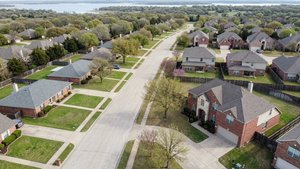
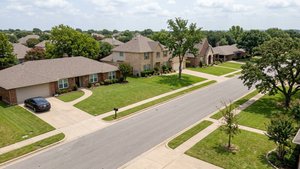
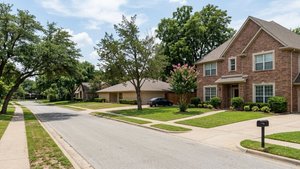
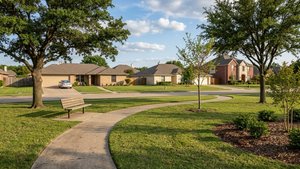
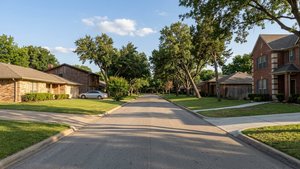
If you're shopping for a home and weighing the pros and cons of living in Southlake, the number that stops most buyers in their tracks is the median sale price - roughly $1.35 million. Located within the Dallas-Fort Worth metro, this is a market built around large properties and proximity to major employment centers, and the price tag reflects both.
Texas has no state income tax, which does real work on your monthly budget. But don't let that talking point carry too much weight before you've looked at local property taxes and what it costs to get into this market. The overall picture sits well above the national average, and most of that gap lives in one line item: housing.
Southlake Cost of Living Compared to State and National Averages
Different data sources tell different stories here, and it matters which one you're reading. Organizations that weight housing as the primary cost-of-living factor put the local index far above the national baseline. Indices focused on daily expenses show a much smaller gap. Neither number is wrong - they're just measuring different things.
For your actual planning purposes, the raw dollar figures for your household size will serve you better than any index. Groceries, utilities, and transportation in Tarrant County track national trends pretty closely. It's the real estate market that pulls everything else out of frame.
The Overall Index Numbers
HomeSnacks and AreaVibes place the local cost-of-living index somewhere between 163 and 165, with 100 representing the national average. That high score is almost entirely a function of a housing sub-index that spikes as high as 306. City-Data, for its part, reported a more moderate overall figure of 103.8 at the end of 2024.
The Verdict on Expense
Salary.com's 2025 estimates put the area just 2% above the national average for general living expenses - estimating basic monthly costs at $2,520 for a single person and $5,548 for a family of four. Outside of buying or renting a home, daily life here costs roughly the same as it does in plenty of standard suburban markets.
Housing Expenses: Buying and Renting in the Local Market
This is where the budget conversation starts. Recent market data shows a median sale price of $1,349,607, with available inventory sitting around 131 homes. Properties are spending about 27 days on the market before selling, sellers are receiving an average of 97.5% of list price, and the area is carrying roughly 3.4 months of housing supply. That combination points to steady, consistent demand.
If you're financing at this price point, get your pre-approval squared away before you start touring. You won't have the luxury of a slow decision.
Current Home Prices and Trends
The median hovers near $1.35 million, but pricing moves around depending on the specific street and property size. Zillow's home value index estimated values near $1.31 million in April 2026, while local brokerages cite ranges between $1.2 million and $1.65 million across many neighborhoods. Whichever end of that range you land on, plan for a high entry cost.
Renting an Apartment or House
Leasing a single-family home here is its own substantial commitment. Zumper reported a median rent of $6,000 per month across all property types in July 2025. HAR.com data from early 2026 showed four-bedroom houses averaging $6,954 per month. Smaller apartment units bring the numbers down considerably - one-bedrooms average $925, and two-bedrooms run $1,710 to $1,750.
Daily Expenses: Utilities, Groceries, and Transportation
Once you set housing aside, the rest of the budget looks a lot more familiar. Salary.com's 2025 data shows food expenses running about 3.2% below the national average. A single person spends roughly $387 a month on groceries; a family of four spends about $1,259.
Utilities are manageable. Energy bills average $170 a month for singles and $291 for a family of four. Transportation - gas and vehicle maintenance - averages $402 monthly for individuals and $854 for families, landing just 0.5% above the national baseline. None of these numbers will shock you.
Healthcare Costs
Medical expenses in the area fall about 9.8% below the national average. Single residents average $271 per month for healthcare, and families of four average $721 per month.
Education and Childcare
This one deserves its own line in your budget. Local real estate estimates suggest private school tuition can run $2,000 or more per month for a family, and daycare averages fluctuate enough that you'll want to price out specific schools and programs during your home search rather than rely on a general figure.
Understanding Local Taxes
Texas has no state income tax, which means more take-home pay every month. That's real and it matters. What replaces it, though, is a heavier reliance on property and sales taxes to fund local services - so the burden shifts rather than disappears.
Buyers coming from high-income-tax states often find the overall structure favorable. Buyers coming from states with low property taxes sometimes get a surprise when they see their first Tarrant County tax bill. Worth understanding before you sign.
Property Taxes in Tarrant County
The Tarrant County government set its 2025 tax rate at $0.1862 per $100 of assessed value. On top of that, homeowners pay school district, city, hospital, and community college levies. The typical combined effective rate lands somewhere between 2.1% and 2.4% of the home's assessed value.
Sales Tax Rates
The combined sales tax rate in the city is 8.25% - made up of the 6.25% Texas state tax, a 1.75% city tax, and a 0.25% special district tax. Tarrant County itself doesn't add another layer on top of that.
Income Needs and Local Salaries
The earning potential in this market matches its real estate prices. BestPlaces cites a median household income of $125,104 for the broader area; HAR.com reported $186,927 for the 76092 ZIP code in 2026; HomeSnacks puts the median household income at $250,001. All three figures point toward a high-earning population - and a wide range depending on which data set you're looking at.
What matters more than any of these medians is your own income versus the local housing costs. Don't benchmark yourself against a community average. Run your own numbers
.
What You Need to Live Comfortably
BestPlaces recommends a minimum annual income of $65,200 for a single person to live comfortably here, which works out to about $5,433 per month covering all expenses.
For a family of four, that recommended income jumps to $223,560 - or roughly $18,630 per month to manage housing, food, transportation, and taxes without financial strain. That's the number most families should start their planning from.
Weighing the Area's Appeal Against the Costs
Buyers keep showing up here because the location delivers. Large lots, well-resourced local amenities, and direct access to major Dallas-Fort Worth employment hubs drive consistent demand - which is exactly why homes are moving in roughly 27 days and why the inventory holds at just 131 homes.
The price of entry filters out a lot of the competition. That's not nothing. But it also means buyers who qualify are working with a fairly limited selection.
Proximity to Dallas and Fort Worth
The location puts you within reach of both major cities in the metroplex. Commuters can get to corporate offices, medical centers, and Dallas/Fort Worth International Airport via the local highway system without particularly complicated routes. That geographic convenience is a real part of what sustains the home values here.
Amenities and Housing Supply
The local housing stock is overwhelmingly single-family homes rather than apartment complexes. That limits the cheaper housing options and keeps a consistent neighborhood character - but it also means buyers looking for a less expensive entry point won't find many workarounds in the immediate area. Well-maintained properties in this bracket draw strong interest, and you should expect competition when something good comes to market.
Frequently Asked Questions
What salary do you need to live comfortably in Southlake, TX?
BestPlaces estimates that a single person needs an annual income of about $65,200 to cover expenses comfortably. A family of four should aim for an annual income of $223,560 to manage the area's costs.
Why is Southlake so expensive?
The high cost of living is driven almost entirely by the real estate market. The median home sale price is roughly $1.35 million, and steady buyer demand keeps inventory low and prices elevated.
What is considered middle class in Southlake?
Median household incomes in the area range from $125,104 to $250,001 depending on the source, which means local income brackets skew higher than the national average. You'll get more useful information by evaluating your budget against the area's housing prices than by trying to fit yourself into a regional income label.
Is Southlake, TX a good place to live?
The area offers straightforward commutes to Dallas and Fort Worth alongside large single-family properties. The main drawback for potential residents is the high cost of entry for both buying and renting.
How much are property taxes in Southlake, TX?
Homeowners typically face a combined effective property tax rate between 2.1% and 2.4% of their home's assessed value. This total includes levies from the county, city, school district, and other local entities.
How does the cost of living in Southlake compare to Dallas and Fort Worth?
Living here generally costs more than living in the broader metro area. That difference comes directly from local housing costs - groceries, utilities, and other daily expenses align closely with regional averages.