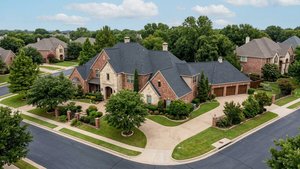
Flower Mound sits in Denton County, just north of Dallas-Fort Worth International Airport. It's grown from a rural town into a major suburban hub with roughly 79,000 residents, offering a distinct lifestyle for those buying a home in Flower Mound, TX.
Whether it's the right fit for you comes down to a few honest questions: What's your commute tolerance? What's your budget ceiling? What do you actually need close by? The local market moves quickly - homes are selling in a median of 23 days - so you want to have clear answers before you start writing offers.
The Quick Verdict on Flower Mound
No place is perfect, and Flower Mound is no exception. What it offers is a specific package, and that package is genuinely great for some buyers and genuinely wrong for others. Let me lay it out plainly.
Housing inventory currently sits at around 308 available homes - enough to give you real choices, but not enough to take your time. Knowing the tradeoffs going in helps you set a realistic budget and avoid surprises.
Pros at a Glance
You get direct access to major highways and a 15- to 20-minute drive to DFW Airport. The parks and trail system is extensive, and Lewisville Lake is close.
The broader Dallas-Fort Worth job market backs the local economy, and for a town of this size, the utility infrastructure and civic services are solid.
Cons at a Glance
Median sale prices run around $650,000, which is well above the national average. If you're commuting to downtown Dallas or Fort Worth during rush hour, plan for up to an hour each way.
Summers are brutal - July and August regularly push past 100 degrees - and North Texas doesn't let you forget about tornadoes. You'll also need a car for essentially everything. Public transit is not a realistic option here.
Factors to Weigh
Think hard about your specific commute and where your budget actually lands after you factor in Texas property taxes, which add a real number to your monthly payment.
Do yourself a favor: visit on a Tuesday afternoon in August and again during rush hour. Both experiences will tell you more than any article can.
Where Is Flower Mound Located?
Flower Mound is in North Texas, sitting primarily within Denton County, with a small portion extending into neighboring Tarrant County. It covers about 41.9 square miles, placing it squarely in the northern sector of the Dallas-Fort Worth metro.
Denton County and Regional Access
The town borders Lewisville to the east and Grapevine to the south. Interstate 35W runs to the west of the town boundaries; I-35E runs to the east. DFW Airport is roughly 15 to 20 minutes from most neighborhoods, which matters a lot if you travel for work or have someone picking you up at arrivals every other week.
Population and Town Size
Census data puts the population at 78,389, with a density of about 1,894 residents per square mile. That makes Flower Mound the 53rd most populated city in Texas. The footprint is a mix of large residential subdivisions, commercial corridors, and open space - suburban in the truest sense of the word.
What the Crime Data Shows
The FBI Uniform Crime Report (UCR) tracks statistics for Flower Mound. In 2024, the town recorded a violent crime rate of 57.2 per 100,000 residents and a property crime rate of 582.9 per 100,000 residents. Independent data aggregators give the city an overall safety grade of C.
Measuring the Crime Rate
That violent crime rate is 86% below the Texas state average, which is a meaningful data point. These metrics give you a statistical baseline - they're not a guarantee, but they're far more reliable than what you'll read in neighborhood Facebook groups.
Where to Find Official Statistics
The Flower Mound Police Department publishes incident reports and annual summaries. The Denton County Sheriff's Office provides jurisdiction-wide data, and the FBI's National Incident-Based Reporting System (NIBRS) adds another layer of verified numbers. Use those primary sources.
Researching Specific Areas
The local police department maintains an online crime map portal where you can enter a specific address and see recent calls for service in that immediate vicinity. Before you make an offer on any house, pull up that map for the street. It takes five minutes and gives you concrete information instead of guesswork.
Understanding the Cost of Living
As of mid-2026, the median sale price in Flower Mound is approximately $650,000. Homes spend a median of 23 days on the market, sellers are getting about 99% of list price on average, and over 27% of homes are selling above asking. This is a competitive market - come prepared.
Home Prices and Rent
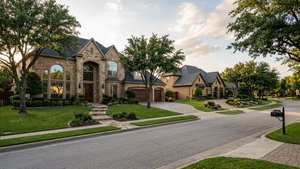
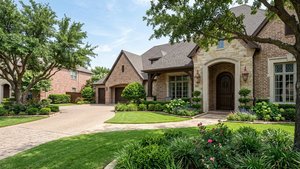
The typical home value in the area is around $603,400, reflecting a slight upward trend over the past year. You'll find a mix of older single-family homes and newer, larger constructions. Renting isn't a budget escape hatch either - monthly housing costs here are substantial whether you're buying or leasing.
Income Needed and Everyday Costs
Census data reports the median household income in Flower Mound at $161,235. That figure tells you something about who this market is built for. Beyond the mortgage, you're paying for groceries, utilities, and transportation at rates typical for the DFW metro, plus property taxes assessed by the county, town, and school districts. Run those numbers before you fall in love with a house.
Community Profile and Demographics
Flower Mound has grown steadily over the last three decades into a community of just under 80,000 residents across its 41 square miles. The civic infrastructure reflects that growth - there's a public library, a senior center, and municipal government facilities that serve as genuine gathering points rather than just administrative boxes to check.
Population Growth and Age
Census data breaks down the age distribution: about 13.3% of the population is between 35 and 44, while 18.1% falls between 45 and 54. Residents aged 55 to 64 make up 14.6% of the town, and those 65 and older account for roughly 11%. It's a community weighted toward working-age adults with a meaningful retiree presence.
Median Household Income
That $161,235 median household income shapes what gets built here. The retail, the restaurants, the commercial development - it all calibrates to that economic baseline. It also drives the local tax base that funds municipal projects and keeps the public spaces maintained.
Civic Life and Local Amenities
The town maintains a network of parks and multi-use trails, and operates a community activity center with fitness facilities and pools. Town council meetings, seasonal festivals, and municipal recreation leagues give residents structured ways to plug into local life throughout the year.
Climate, Weather, and Daily Lifestyle
Flower Mound has a humid subtropical climate. Summers are intense - July and August temperatures frequently exceed 100 degrees, and that's not a one-week heat wave, that's the season. Winters are generally mild, though occasional ice storms can disrupt travel and knock out power. If you're moving from out of state, take both of those realities seriously.
Weather and Natural Hazard Exposure
North Texas sits at the southern edge of Tornado Alley. Spring and fall bring severe thunderstorms, hail, and tornado warnings with some regularity. Roof replacements are a common maintenance reality here - review your insurance policy before closing and make sure your wind and hail coverage is adequate.
Things to Do Around Town
Grapevine Lake and Lewisville Lake are both just minutes from town and anchor most of the outdoor recreation. The parks department manages miles of paved and unpaved trails for walking and biking. Shopping and dining are concentrated along FM 2499 and Cross Timbers Road, with a mix of national chains and locally owned restaurants. It's not a city dining scene, but there's enough variety for most people.
Tap Water Quality and Utilities
The town sources its municipal water from the Upper Trinity Regional Water District. Annual quality reports are published and detail mineral content and safety metrics. Hard water is common in North Texas - many residents install water softeners - but the municipal supply meets all state and federal safety standards for drinking water.
Comparing Flower Mound to Nearby Dallas-Fort Worth Areas
Buyers regularly weigh Flower Mound against Lewisville, Grapevine, and Southlake. Each has a different mix of housing stock, price points, and highway access, and none of them is the same commute.
Flower Mound sits farther north than Grapevine, which adds a few minutes to a Dallas commute. What you get in return is more residential space than the densely developed areas closer to the city core.
Commute and Highway Access
I-35E and Highway 121 are your primary arteries into Dallas. During rush hour, they earn their reputation. Getting to Fort Worth means taking Highway 114 to I-35W. Either way, plan for 40 to 60 minutes downtown during peak times - on a good day.
Housing Costs and Property Types
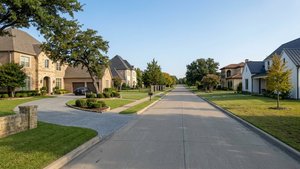
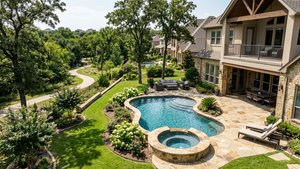
Flower Mound's median sale price of roughly $650,000 comes in higher than Lewisville and lower than Southlake. The local market is dominated by detached single-family homes on traditional lots. If you're looking for high-density condos or urban-style townhomes, you won't find many here - that's Dallas proper territory.
Specialized Housing Options
The local real estate market includes facilities designed for specific care and lifestyle needs, and these properties operate under different zoning and licensing requirements than standard residential homes. Finding them requires looking beyond standard MLS listings, and visiting in person is the only real way to evaluate what's actually being offered.
Senior and Assisted Living
Several assisted living and memory care facilities operate within the town limits, providing tiered levels of medical care, meal services, and daily assistance. Independent senior living communities offer maintenance-free apartments or cottages, with monthly fees covering groundskeeping and shared amenities.
Sober Living Facilities
Sober living homes in the area provide structured, substance-free environments for individuals in recovery. Residents typically follow specific house rules and attend support meetings. Availability and pricing vary, and many operate privately - contact local recovery networks for current openings and program details.
Local Amenities for Different Life Stages
The town's infrastructure covers a broad range of daily needs, from public education to medical care. Where these amenities sit relative to a specific property matters, and it often shows up in the price.
Parks, Schools, and Recreation
Most of the town is served by the Lewisville Independent School District. Smaller western portions fall under either the Argyle or Northwest Independent School Districts. Boundary lines determine which campus your kids attend, so verify the specific district for any home you're seriously considering.
The parks system includes sports complexes, playgrounds, and dog parks. The town's namesake - a 12.5-acre mound covered in native prairie grasses - is preserved in the southern part of the city.
Dining and Nightlife
The Lakeside DFW development gives you restaurants, shops, and a boardwalk overlooking Grapevine Lake. It's the closest thing the town has to a dining and entertainment hub.
There's no large nightclub or late-night bar scene here. Most places close by midnight. That's the suburban reality, and it's worth knowing before you move.
Healthcare and Medical Services
Texas Health Presbyterian Hospital Flower Mound handles emergency services, surgery, and specialized care, and anchors a broader network of clinics and specialist offices along FM 2499. For more complex treatments, the major medical networks in Dallas and Fort Worth are accessible. Urgent care centers and pharmacies are spread throughout the commercial corridors - you won't have to drive far for routine care.
Frequently Asked Questions
How do property taxes in Flower Mound compare to other DFW suburbs?
Property taxes here are comparable to neighboring Denton County suburbs, as the rates are driven largely by the school districts and county assessments. The specific tax rate varies depending on which school district serves a given home, so review that number for any property you're seriously considering.
Is airplane noise from DFW Airport a major problem when living in Flower Mound?
It depends on exactly where the house is. Some southern neighborhoods experience regular overhead flight traffic given the town's position just north of DFW Airport. Visit the property outdoors before making an offer - that's the only way to know what you're actually buying into.
Does Flower Mound have a walkable downtown or active nightlife scene?
No. There's no traditional, historic walkable downtown and no late-night club scene. The Lakeside DFW area offers a walkable cluster of restaurants and shops, but the community is primarily suburban and car-dependent.
Which school districts serve Flower Mound?
The Lewisville Independent School District covers most of the town. The Argyle and Northwest Independent School Districts serve smaller western sections. Verify the specific district boundaries for any home you're considering purchasing - don't assume based on geography alone.
How does buying a house in Flower Mound compare to neighboring cities like Grapevine or Southlake?
Flower Mound's median sale price of around $650,000 is generally higher than Lewisville but lower than the luxury market in Southlake. It offers newer housing stock than Grapevine, and sits slightly farther north from the center of the metroplex.
What is the daily commute to downtown Dallas or Fort Worth like from Flower Mound?
Count on 40 to 60 minutes during rush hour. Drivers rely on I-35E, I-35W, and Highway 121 - all of which see heavy traffic during peak morning and evening times. If your job requires you downtown every day, that's a real number to sit with before you commit.