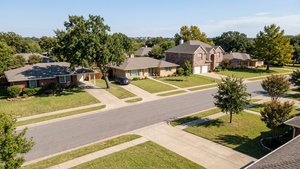
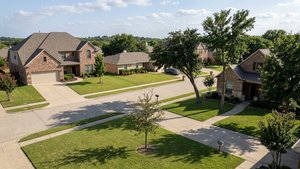
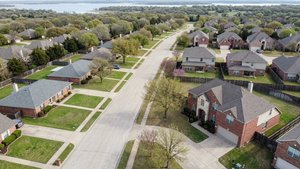
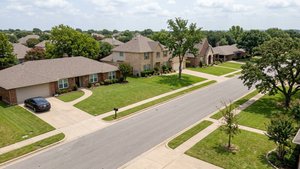
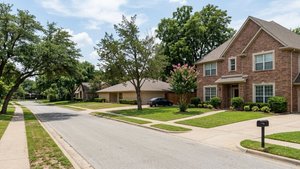
The median home sale price in Southlake, TX sits around $1,350,000 right now. Homes are moving in roughly 27 days. If you're an older adult looking to downsize or shift into a specialized property, that pace means you don't have a lot of time to weigh the pros and cons of living in Southlake, TX once you're ready to act.
Southlake's senior housing market runs the full spectrum - gated active-adult neighborhoods, assisted living facilities, continuing care campuses - but it skews toward the luxury end. Available inventory and pricing determine which option fits your budget and your life.
Overview of 55+ and Senior Living Options in Southlake
Senior living here covers a wide range of property types and care levels. The local market leans toward high-amenity, luxury properties rather than budget-friendly alternatives, and buyers often look near neighborhoods like Timarron for convenient access to shopping, dining, and well-maintained public spaces.
Most age-restricted neighborhoods operate under specific federal guidelines that shape the community's demographics and keep the focus on older adults. Before you fall in love with a floor plan, verify the age requirements.
Housing Types Available
The area has independent living setups, assisted living facilities, and continuing care retirement communities (CCRCs). Independent living targets active adults who want minimal maintenance and resort-style amenities.
Assisted living and CCRCs provide tiered medical and daily living support as residents age. These facilities focus on ongoing care rather than traditional real estate ownership, and they typically run on a rental or entrance-fee model rather than a standard purchase.
The 80/20 Age Rule
The Housing for Older Persons Act establishes the 80/20 rule for 55-and-older neighborhoods. At least 80% of the occupied units must house at least one person who is 55 or older.
The homeowner association sets its own policies for the remaining 20%. That flexibility sometimes allows a younger spouse or adult child to live in the home - but it depends entirely on that specific community's bylaws, so ask before you assume.
Specific Senior Living Categories
How much daily support you want now - and might need later - is what drives this decision. Active adult communities function much like traditional subdivisions, just with age restrictions and a more robust amenity package. Residents own or rent their units and run their own daily routines.
Facilities offering higher levels of care shift the focus from recreation to daily assistance and medical support. These properties often require a large upfront entrance fee or operate on a rental model rather than a traditional purchase.
Active Adult and Independent Living
Independent living communities typically include exterior maintenance, landscaping, and access to clubhouses. The entire point is a low-maintenance lifestyle - you keep your independence, you just shed the yard work.
These properties appeal to buyers who want to downsize their responsibilities without losing their social life. Lifestyle and recreation are the whole product here.
Assisted Living and Continuing Care
Assisted living provides help with daily tasks - meals, medication management, housekeeping. CCRCs go further, combining independent living, assisted living, and skilled nursing on a single campus.
The practical advantage of a CCRC is continuity. If your medical needs change, you transition between care levels without uprooting yourself to a new facility. For a lot of people, that long-term stability is exactly what they're paying for.
Notable 55+ Communities in the Area
Southlake is an upscale market, and its senior housing reflects that. Watermere at Southlake is the primary luxury 55+ community within the city limits - a master-planned, gated property on 67 acres with both villa and condominium homes.
Dedicated low-income senior housing inside Southlake is essentially nonexistent. If you're working with a tighter budget, you'll need to expand your search into neighboring Tarrant County cities. Grapevine, Colleyville, and Keller offer more accessible price points while keeping you close to Southlake's amenities.
Luxury Options Within Southlake
Watermere at Southlake anchors the luxury market. The clubhouse alone is 35,000 square feet, and the community includes dining venues, fitness centers, and organized social activities. It's designed for active adults who expect upscale finishes and comprehensive on-site amenities - and it delivers on that.
Affordable Alternatives Nearby
There's no dedicated affordable senior housing community inside Southlake, so nearby towns carry that load. Evergreen at Keller Senior Apartment Community is one option serving the broader area.
Tarrant County residents with a one-person household income below $28,550 per year may qualify for specific housing assistance programs. Expanding your search just outside the Southlake city limits opens up considerably more options for cost-conscious renters.
Costs and Fees for Southlake Senior Housing
A mortgage payment or base rent is only part of what you're budgeting for here. Many communities charge substantial monthly fees on top of that to cover maintenance, amenities, and staff - and those recurring costs add up fast. Tarrant County also offers property tax exemptions for seniors that can lower the annual tax burden on an owned home, so it's worth looking into what you qualify for. For care-based facilities, costs vary widely depending on the level of medical support involved.
Renting Senior Apartments
The average rent for a senior apartment in Southlake runs about $2,078 per month. One-bedroom units typically come in around $1,500 monthly; two-bedroom layouts average around $1,800. For context, the Texas state average is $1,637 per month - so you're paying a real premium for the Southlake address and everything that comes with it.
HOA Dues and Entrance Fees
At Watermere at Southlake, monthly HOA fees range from $1,375 to $2,950. That's a significant line item, and it doesn't go away.
For CCRCs in the broader Dallas-Fort Worth market, the average entrance fee runs roughly $435,254. Across Texas, those upfront costs generally fall between $130,000 and $500,000, with additional monthly charges for ongoing care and services on top of that.
Pros and Cons of Moving to a 55+ Neighborhood
Moving into an age-restricted community changes your daily life in real ways - some of them welcome, some of them worth thinking through carefully. These neighborhoods offer built-in social networks and take exterior home maintenance off your plate entirely. Streets tend to be quieter, and the amenities are designed around your actual interests.
That said, it's not the right fit for everyone. The financial structure of some communities can complicate how you eventually pass the property to heirs. The immediate conveniences are real, but so are the long-term trade-offs.
Top Benefits
The low-maintenance lifestyle is the biggest draw for most buyers. When the HOA is handling landscaping and exterior repairs, you get your time back for travel or whatever you want to be doing.
The concentration of peers also makes it genuinely easier to build friendships. Many properties have dedicated lifestyle directors keeping the social calendar moving - which sounds like a small thing until you realize how much it matters.
Common Drawbacks
High monthly fees are a consistent complaint, and they tend to increase over time. Age restrictions can also create complications if you ever need an adult child or younger relative to move in and help with your care.
The uniform age demographic is another real consideration - you lose the multi-generational texture of a traditional neighborhood. If that matters to you, it's worth knowing before you sign anything.
Frequently Asked Questions
Is Southlake, TX a good place to retire?
It offers a premium lifestyle - high-end amenities, strong dining options, and access to luxury senior living facilities. The honest caveat is that the median home price of roughly $1,350,000 requires a substantial budget. It's not a market that works for everyone.
What is the average entrance fee for a CCRC in Southlake?
Southlake-specific data is limited, but the broader Dallas-Fort Worth area sees average CCRC entrance fees around $435,254. Across Texas, those upfront costs typically range from $130,000 to $500,000.
What is the 80/20 rule in a 55+ / retirement community?
It's a federal guideline requiring that at least 80% of the units in a 55+ community have at least one occupant who is 55 or older. The community's governing board sets its own policies for the remaining 20% of units.
What is the downside of a 55+ community?
Cost and the loss of a multi-generational environment are the two that come up most often. Monthly HOA dues in luxury Southlake communities can reach nearly $3,000 - that's a permanent ongoing expense, not a one-time cost.
Is it better to rent or buy in a Southlake 55+ community?
It depends on your financial goals and how long you plan to stay. Renting a senior apartment in Southlake costs about $2,078 per month and gives you flexibility. Buying means property ownership, but you're also taking on steep monthly HOA fees. Neither answer is universal.
What should I look for when touring retirement communities in Southlake?
Ask for a detailed breakdown of every monthly fee and exactly what it covers. Check the community rules around guests, younger residents, and future care transitions - those details matter a lot more than the clubhouse.