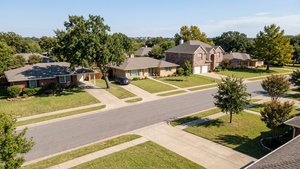
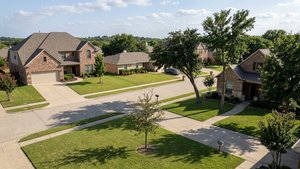
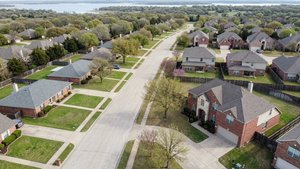
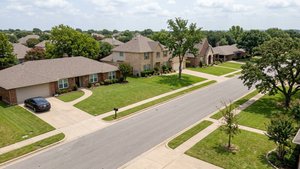
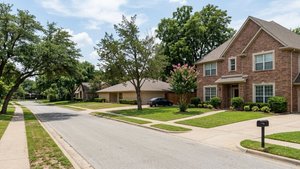
Southlake, TX sits at an elevation of 663 feet above sea level within the Dallas-Fort Worth Metroplex. The climate here is more than a backdrop - it shapes daily life, drives seasonal utility bills, and influences what buyers are looking for when they tour homes. In fact, weather often ranks high among the pros and cons of living in Southlake. At a median sale price around $1,349,600, buyers in this market expect properties that are genuinely equipped for North Texas conditions rather than just aesthetically suited to them.
If you're relocating here, understanding the year-round weather patterns before you move saves you real headaches later - whether that's a landscaping decision you'll regret in August, a roof you didn't inspect carefully enough, or a closing date you scheduled in the wrong month.
Southlake Climate and Temperature Zones
Southlake carries a humid subtropical climate, officially classified as Köppen Cfa. That means long, hot summers and winters that are mostly mild but occasionally interrupted by a sharp cold snap.
If you're coming from a cooler part of the country, the extended warm season takes some getting used to. Shaded patios and swimming pools aren't luxury items here - they're functional from late spring clear through early autumn.
Plant Hardiness and Landscaping
Southlake falls into USDA Plant Hardiness Zone 8b, which covers extreme minimum temperatures of 15°F to 20°F. The 2023 map update moved the area up from Zone 8a, reflecting slightly warmer baseline winter temperatures.
That designation matters practically: it tells you what plants will survive your yard, and in North Texas that conversation quickly turns to drought tolerance and heat resistance. You're also designing around the occasional winter freeze - not a regular event, but one you can't ignore.
Season by Season in North Texas
The seasonal swing here is real. Summers are sustained and hot; winters are short and mostly mild. What you'll also notice is how brief the transitions are - spring and autumn exist, but they don't linger the way they do in northern climates.
Those shoulder seasons do offer the most comfortable outdoor conditions, and they're worth knowing about for more than one reason.
Hot Summers and Mild Winters
August is the peak. Average highs run 95 to 96°F, with overnight lows staying up around 75 to 77°F. A reliable air conditioning system isn't optional in a Southlake home - it's infrastructure.
January is your coldest month, with average highs of 54 to 58°F and lows around 37 to 39°F. Hard freezes happen, but they're generally brief rather than sustained.
Spring and Fall Transitions
October, April, and May are genuinely pleasant. Highs during those months hold in the 70 to 85°F range - comfortable enough for outdoor projects, open houses, or just being outside without much effort.
Spring and fall are when most outdoor events and exterior home work happen for good reason. Buyers often try to time their search to these windows, and honestly, it makes sense.
Monthly Temperature Averages
The month-by-month picture gives you a clearer sense of the full climate cycle. Southlake warms up fast in spring and cools gradually once you're past September.
These averages help new residents think through utility costs and what seasonal wardrobe to pack. Here's how the year breaks down in approximate average highs and lows, in Fahrenheit.
Highs and Lows Throughout the Year
January opens at 57/37°F and February edges up to 62/41°F. Spring comes in quickly - March averages 69/49°F, April moves to 76/56°F, and May reaches 84/65°F.
From there, the heat takes over. June averages 91/72°F, July hits 95/76°F, August stays right there at 95/75°F, and September starts pulling back to 88/68°F.
The final quarter brings steady cooling. October drops to 78/58°F, November falls to 67/48°F, and December closes the year at 58/39°F.
Rain, Snow, and Humidity Levels
Southlake averages roughly 38 to 39 inches of rain per year - just a tick above the national average of 38 inches. That rain isn't evenly distributed, though, so don't read those numbers and assume a consistent drizzle throughout the seasons.
Average relative humidity runs between 60% and 68% for most of the year. During the warmer months especially, those moisture levels change how the temperature feels on your skin.
Annual Snowfall Expectations
Snow is rare here. Southlake sees about one inch per year, well below the national average of 28 inches.
When winter precipitation does arrive, January and February are the most likely windows. Ice storms tend to be the bigger concern - for drivers and power grids - than any meaningful snow accumulation.
Managing the Humidity
Humidity peaks around 71% in May, which is why late-spring days can feel noticeably warmer than the thermometer suggests.
August sees the lowest humidity of the year, dropping to roughly 54% to 55%. Even so, the late-summer heat demands real caution if you're spending extended time outdoors.
Severe Storms and Tornado Risk
Southlake is in Tornado Alley. That's not alarmist - it's just geography. Damaging hail, flash floods, and tornadoes are documented risks in the Dallas-Fort Worth Metroplex.
Historical tracking puts 138 recorded tornado events of magnitude 2 or higher in or near Southlake, giving the city a tornado index that runs above both Texas and U.S. averages. Buyers should know this going in.
Staying Prepared During Storm Season
Spring concentrates the most severe weather. When you're evaluating homes, pay attention to roof condition and drainage - sudden, heavy downpours are common, and poor drainage shows up fast.
Many residents use climate-controlled storage in Southlake, TX to protect belongings during extreme weather swings. On the insurance side, hail and wind coverage isn't something to leave vague - get it sorted before you close.
Timing Your Move to Southlake
Homes in Southlake spend a median of 27 days on the market, with roughly 131 active listings available at any given time. It moves fast, and your closing date is often driven by the transaction itself rather than personal preference.
That said, if you have any flexibility, weather is worth factoring in. Moving furniture through a Texas August is genuinely miserable in a way that's hard to overstate until you've done it.
The Best Months for Relocating
October, April, and May are your best options. Highs in the 70°F to 85°F range make the physical work of a move far more manageable, and those same months are good for taking your time touring properties.
Avoiding peak August heat and January ice risk isn't always possible, but if you can align your closing date with one of these milder shoulder months, it's worth trying.
Frequently Asked Questions
What is the weather like in Southlake, TX year round?
The city has a humid subtropical climate - hot summers and mild winters. Average lows sit in the upper 30s during winter, and average highs push into the mid-90s during summer.
Are there tornadoes or severe weather in Southlake, TX?
Yes. Southlake is in Tornado Alley and sees severe storms, hail, and flash flooding. Historical data shows 138 recorded magnitude 2 or higher tornadoes in or near the area.
Does it snow in Southlake, TX, and how much?
Snowfall averages about one inch per year. When it does fall, January and February are the most likely months.
Is it humid in Southlake, TX?
Yes. Average relative humidity stays between 60% and 68% for most of the year and peaks around 71% in May.
When is the best time of year to move to Southlake based
on the weather?
October, April, and May offer the most comfortable moving conditions, with highs between 70°F and 85°F.
How do Southlake's weather patterns affect home maintenance and outdoor living?
Intense summer heat, severe spring storms, and occasional winter freezes all add up to real maintenance demands. Keeping your HVAC system in solid shape and carrying adequate insurance for hail and wind damage aren't optional considerations - they're part of owning a home here.