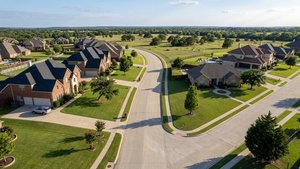
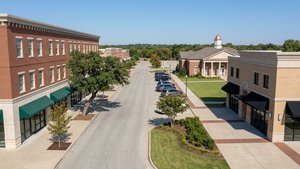
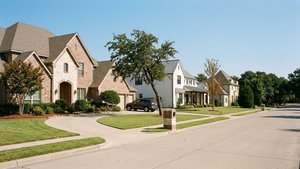
Flower Mound, TX sits well above both state and national cost-of-living averages. Located in Denton County, this Dallas-Fort Worth suburb commands a real premium - on housing especially, but on the overall lifestyle too. Buyers often weigh the pros and cons of living in Flower Mound, TX before taking on these higher expenses.
Buyers coming into this market in 2026 will find that housing is the main driver of local expenses. Certain everyday costs track closely with the rest of Texas, but the price of admission for a home here requires a higher baseline income than most surrounding towns.
Overall Affordability and the Local Price Premium
The cost of living index for Flower Mound sits at approximately 137 on a 100-point national scale - meaning everyday expenses and housing combined run about 35% to 37% higher than the U.S. average.
Housing costs are the primary reason for that elevated index, coming in at nearly double the national average. The premium paid for a Denton County address has a meaningful impact on what your monthly budget looks like.
How Flower Mound Compares to National Averages
Not every category runs high, and that's worth knowing. Utility and healthcare costs both tend to sit slightly below national baselines, which helps offset the heavier mortgage or rent payment.
Transportation costs mirror the national average almost exactly. Whether you're commuting into Dallas or working remotely, day-to-day spending on gas and groceries will feel familiar - even if housing is eating a larger share of your take-home pay.
The Short Answer on Local Expenses
Flower Mound is an expensive place to live relative to the broader Dallas-Fort Worth metro. The high barrier to entry in the housing market means you'll need a substantial income to keep things comfortable.
People moving from coastal cities or high-tax states often find the pricing surprisingly reasonable, particularly with no state income tax in Texas. Buyers relocating from other parts of the South or Midwest, though, will likely feel a noticeable jump in their housing budget.
Housing Costs: Renting and Buying in Denton County
Recent MLS closing data shows a median sale price of $639,577 in Flower Mound. Homes are spending roughly 27 days on the market before going under contract, which tells you buyer demand is steady. The average sale-to-list ratio sits around 99%, and with only about 2.6 months of available supply, you should expect competition - nearly 23% of recent listings sold above asking price.
Current Median Home Prices
That $639,577 median reflects a 4% year-over-year increase. At any given time, inventory hovers around 276 available properties for single-family buyers. This places Flower Mound among the more expensive suburbs in the region, so getting pre-approved early and working with your agent to structure competitive offers isn't just good advice - it's necessary.
Average Monthly Rent
Renters can expect to pay between $1,598 and $1,965 per month depending on apartment size and complex amenities. Recent data puts the median rent at roughly $1,948, which is down about 2.3% from the previous year. Step up to a leased house or a larger townhome and those numbers climb. Don't forget to budget for parking fees, pet deposits, and utility deposits when you're signing a new lease.
Comparing Local Housing to the Dallas-Fort Worth Metro
The broader Dallas-Fort Worth area carries a median home price between $395,000 and $415,000. Flower Mound's median sits more than $200,000 above that - which is a meaningful gap and explains why buyers priced out of the $640,000 range often start looking at neighboring communities. Knowing that spread helps you decide whether a Flower Mound address aligns with where you want your money going long-term.
Monthly Bills: Utilities, Transportation, and Healthcare
Basic utilities for a standard household typically run between $200 and $300 per month, covering electricity, water, trash collection, and natural gas. Electricity alone averages about $220 per month - roughly $2,640 annually - and that rate is about 11% lower than the national average electric bill. Some relief there, especially given Texas summers.
Commuting and Medical Care
Transportation costs average $402 per month for a single person and $854 per month for a family of four. That's about 0.5% above the national average, which reflects how car-dependent this part of the region is. There's no way around it - you'll need a vehicle here.
Healthcare is another area where the numbers work in your favor. A single person pays an average of $271 per month for medical costs, while a family of four averages $721 per month - coming in nearly 10% below the U.S. average.
Income Expectations and Property Taxes
Recent Census data suggests a median household income of approximately $161,235 in Flower Mound. Other tax-focused sources report lower figures, but the higher estimate tracks closely with the purchasing power needed to carry a $640,000 home. Texas doesn't collect state income tax, which frees up room in the monthly budget - but property taxes fund Denton County services and local school districts, so buyers need to account for those.
Balancing Income and Housing
A six-figure household income is generally what it takes to buy comfortably in this market. Lenders will be looking at a debt-to-income ratio that can support a mortgage payment well above the metro average. Run the numbers with your lender based on current interest rates, and make sure you're folding property taxes and homeowners insurance into that calculation - not just the principal and interest.
Estimating Your Monthly Budget
A realistic budget has to account for the combined weight of housing, utilities, and daily expenses. A single person renting an apartment is working from a very different baseline than a family purchasing a single-family home.
To illustrate: a buyer purchasing at $640,000 with a 20% down payment is financing $512,000. Layer in local property taxes, insurance, and around $300 in utilities, and you get a clearer picture of what ownership costs each month.
A Sample Monthly Breakdown
A renting household might budget roughly $1,950 for rent, $250 for utilities, $400 for transportation, and $300 for healthcare. That's around $2,900 per month before groceries, savings, or anything discretionary.
Homeowners face a higher baseline. Between a mortgage on a median-priced home, higher utility usage for a larger floor plan, and property taxes, monthly housing-related expenses often exceed $4,500.
Nearby Alternatives to Consider
Buyers who find Flower Mound outside their range often start exploring other parts of Denton County. The broader Dallas-Fort Worth metroplex has a wide range of price points, with many areas falling closer to the $400,000 regional median. Comparing neighboring towns lets you weigh commute times, housing styles, and price tags side by side - a local agent can help you figure out which communities fit your numbers.
Weighing the Pros and Cons of Relocating Here
Moving to Flower Mound means trading a higher cost of living for specific things this area does well. Buyers often prioritize it for the housing styles, the parks, and the proximity to major employment hubs in Dallas and Fort Worth. Whether those features justify the premium over the rest of the metroplex is a personal call, and it's worth thinking through both sides clearly.
Advantages of the Area
The town has extensive parks and trails, plus access to Grapevine Lake - a genuine draw for anyone who wants outdoor recreation close to home. The location makes for a straightforward commute to Dallas-Fort Worth International Airport, which matters if you travel frequently for work. The local housing stock leans toward spacious single-family homes and newer developments, and steady property values with quick market times reflect consistent demand.
Potential Drawbacks
The high cost of entry is the obvious one. With a median home price near $640,000, first-time buyers often find it difficult to locate properties within their approved range. There's also no meaningful public transit here - residents rely entirely on personal vehicles, which adds to monthly transportation costs and means you're sitting in traffic during peak hours like everyone else.
Frequently Asked Questions
Is it expensive to live in Flower Mound, TX?
Yes. The cost of living index is roughly 137, putting it 35% to 37% above the national average. Housing is the main driver, with local home prices sitting well above the Dallas-Fort Worth metro average.
What salary do you need to live comfortably in Flower Mound, TX?
You generally need a six-figure household income to buy here. Recent Census estimates place the median household income around $161,235, which aligns with the purchasing power required for a $640,000 median-priced house.
Why is Flower Mound so expensive?
High buyer demand, spacious housing styles, and access to Grapevine Lake all factor in. The convenient location near Dallas-Fort Worth International Airport also keeps property values elevated relative to neighboring towns.
How high are property taxes in Flower Mound, TX?
Property taxes in Texas are generally higher than the national average, offsetting the absence of a state income tax. Homeowners pay county and local school district taxes based on their property's assessed value.
How does the cost of living in Flower Mound compare to the rest of the Dallas-Fort Worth area?
It's noticeably more expensive. The overall Dallas-Fort Worth median home price runs around $395,000 to $415,000, while Flower Mound's median is approximately $640,000.
Is Flower Mound, TX a good place to live?
It offers solid access to outdoor recreation, major highways, and DFW Airport. The high housing costs and full reliance on personal vehicles mean you should run your budget carefully before committing to the move.