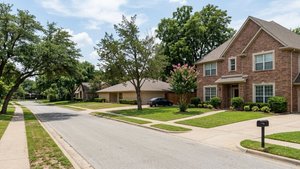
Flower Mound, TX, sits in the Dallas-Fort Worth-Arlington Metropolitan Statistical Area and traces its roots back to early Texas settlements. Today it's a major residential hub where the median home sale price sits around $639,000. Buyers weighing the pros and cons of living in Flower Mound often appreciate this blend of modern growth and pioneer history.
Homebuyers regularly want to know the story behind the town's name and how it developed over the decades. The area grew from a rural farming community into a high-demand market where homes currently sell in roughly 27 days - and the history behind that growth is more interesting than most people expect.
A Quick Look at the Town's Background
The story here ties directly to the natural landscape of North Texas. Early settlers arrived in the mid-1800s, drawn by open prairies and agricultural potential, and the community evolved alongside the broader expansion of the Dallas-Fort Worth metroplex. Modern buyers still value the same geographical features that attracted those first residents - which, when you think about it, says something about the place.
Defining the Municipality
People frequently ask whether Flower Mound is a city, town, or neighborhood. It's officially an incorporated town - and it has held that designation deliberately, even as the population has grown. Local leaders made a conscious choice to maintain that civic identity rather than pursue city status. The town operates with its own municipal government and services while sharing the economic benefits of the larger metro region.
Location and County Lines
Flower Mound is primarily located in Denton County, which covers the majority of its residential and commercial zones. A small portion of the town extends into neighboring Tarrant County.
That distinction matters more than it might seem. Which county your property falls in determines where you pay property taxes and which county services apply - so if you're looking at homes near the boundary, it's worth confirming the exact lines before you get too far down the road.
Metro Connections
The town is part of the Dallas-Fort Worth-Arlington, TX Metropolitan Statistical Area, which gives residents direct access to major employment centers across North Texas. That positioning keeps the local housing market active. Recent data shows 319 homes sold in a single month, with buyers drawn to the balance of suburban space and metro proximity - that's not a slow market by any measure.
The Story Behind the Name
The name comes directly from a prominent geographic feature within the town's borders. Early residents named the area after a large hill covered in native wildflowers that stood out against the flat prairie - a practical landmark for travelers and settlers moving through the region. The name stuck, and the municipality officially adopted it upon incorporation.
The Prairie Mound Landmark
The namesake "Flower Mound" is a 12.5-acre native prairie mound located at the corner of FM 3040 and FM 2499. The State of Texas designated it a Historic Site in 1984. The mound has never been plowed, which makes it a rare surviving patch of original Texas prairie - and it remains a protected green space to this day.
Founding and Timeline of the Town
Settlers lived in this area throughout the 1800s, but the official incorporation came much later. The town formalized its boundaries specifically to prevent annexation by neighboring cities and to control local zoning and development. It was a strategic move, and it shaped everything that followed.
After incorporation, steady growth transformed the area from a rural outpost into a planned suburban community. The expansion of nearby highways and the opening of Dallas/Fort Worth International Airport accelerated the residential boom considerably.
Modern Real Estate Growth
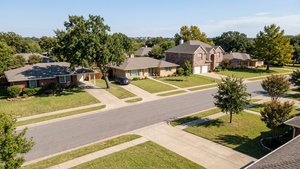
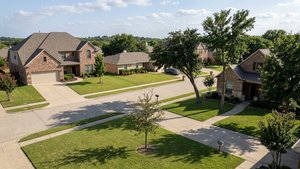
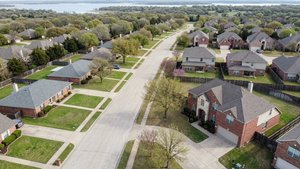
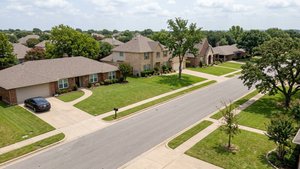
As the population expanded, so did the demand for housing, driving the development of numerous master-planned subdivisions. The town currently sits at just 2.6 months of inventory - a tight supply by any measure. Sellers are seeing strong returns in that environment, with homes averaging a 99% sale-to-list ratio. Nearly 23% of recent sales closed above asking price, which reflects the ongoing appeal of how this town has managed its growth.
Historic Sites and Local Landmarks
Beyond the namesake mound, the town preserves several pieces of its early pioneer history. Local historical organizations work to maintain original structures that survived the suburban expansion of the late 20th century - no small task when development pressure is what it is out here.
These sites offer a direct look into the agricultural lifestyle that defined Denton County before the modern
highway system arrived, and they serve as educational resources for local schools and residents.
The Gibson-Grant Log House
One of the most significant surviving structures is the Gibson-Grant Log House, which the state has designated a Texas Historic Landmark. It's a rare, intact example of early pioneer architecture in North Texas - the kind of building where you can see the original construction techniques used by the families who first farmed this land.
What the Town is Known For Today
Modern Flower Mound is known for balancing its pioneer history with high-demand residential real estate. It stands out in the Dallas-Fort Worth metroplex for strict development standards and a genuine commitment to preserving green spaces - two things that don't always go together in fast-growing Texas suburbs.
The local economy has shifted from farming to professional services, retail, and corporate offices. That economic base supports a stable housing market where property values hold up year over year.
Preserving the Landscape
The town is widely recognized for its extensive trail systems and parks that run through residential areas. Planners intentionally designed neighborhoods to incorporate the natural topography and mature trees - a deliberate decision that honors the original appeal of the prairie while meeting modern suburban expectations. For buyers coming from denser parts of the metro area, that outdoor space is often what closes the deal.
Frequently Asked Questions
When was Flower Mound, TX founded?
Settlers first arrived in the mid-1800s to farm the native prairie. The town officially incorporated later to prevent annexation by neighboring municipalities and control its own development.
What county is Flower Mound, TX located in?
The majority of the town is in Denton County. A small portion of the municipality extends across the border into neighboring Tarrant County.
How did Flower Mound get its name?
The town is named after a 12.5-acre native prairie mound that rises above the surrounding landscape. Early settlers used this wildflower-covered hill as a natural landmark, and the name carried over to the incorporated town.
Is Flower Mound considered a city, town, or neighborhood?
It's officially an incorporated town - not a city or a neighborhood. Local leaders have intentionally maintained the "town" designation to preserve its specific civic identity within the larger metroplex.
What is Flower Mound, TX best known for today?
It's known as a major residential hub within the Dallas-Fort Worth-Arlington Metropolitan Statistical Area, recognized for its preserved green spaces, high-demand real estate, and strict development standards.
What are the top historic landmarks and museums to visit in Flower Mound?
The most prominent landmark is The Flower Mound, a protected 12.5-acre prairie site at FM 3040 and FM 2499. Visitors can also see the Gibson-Grant Log House, which is a designated Texas Historic Landmark.
Are there any designated historic districts or older neighborhoods in Flower Mound?
The town is mostly known for modern planned subdivisions, but it protects specific historic sites rather than large residential historic districts. The 12.5-acre namesake mound was designated a State of Texas Historic Site in 1984 to preserve its natural state.