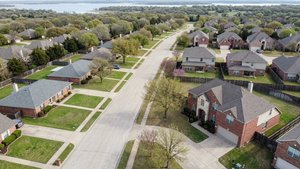
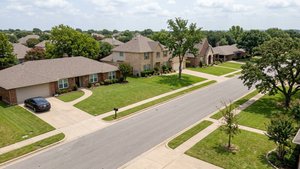
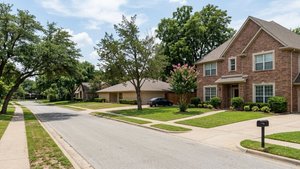
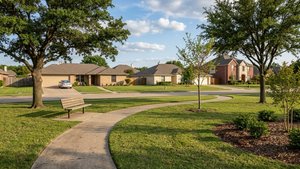
The median home sale price in Flower Mound, TX is sitting right around $639,577, with homes spending roughly 27 days on the market before they're gone. If you're weighing the pros and cons of living in Flower Mound and looking for age-restricted housing in this part of Denton County, you've got real choices - single-family homes with maintained yards, upscale apartment complexes, and a few things in between. The trick is comparing upfront costs, monthly fees, and what each development delivers before you commit.
Retirement communities here serve different stages of life and different budgets. Some people buy in a dedicated 55+ neighborhood to build equity. Others rent an apartment because they'd rather keep their options open. Knowing the local pricing and understanding the rules that govern these neighborhoods will help you cut through the noise quickly.
An Overview of Senior Living in Flower Mound, TX
Texas law permits developments to restrict residency by age, and Flower Mound has a genuine mix of those designated neighborhoods. You'll find both ownership and rental models here, covering everything from downsizing to daily assistance.
Before you pick a property type, honestly assess where you are now - and where you're likely to be in ten years. Moving from an independent home into an assisted facility later is expensive, so thinking through your long-term care needs up front isn't pessimistic; it's just smart.
Available Housing Styles
The range runs from independent active-adult neighborhoods all the way to facilities with daily medical support. Independent living is about low-maintenance homes and social amenities. Assisted living adds help with daily tasks. Continuing Care Retirement Communities - CCRCs - take a tiered approach, letting residents move from independent living into skilled nursing without ever leaving the same campus.
Understanding the Age Requirements
Most age-restricted developments operate under the Housing for Older Persons Act. The federal law establishes the 80/20 rule: at least 80% of the occupied units in a community must have at least one resident who is 55 or older. Individual communities can set stricter thresholds - some require every resident to meet the age requirement - so read the homeowners association guidelines carefully before you make an offer.
Comparing Senior Housing Options
The level of care and the ownership structure are what separate one category from another. Flower Mound currently has roughly 276 total homes for sale across the broader market, and the age-restricted slice of that inventory moves fast.
Renting buys you flexibility. Buying locks in your housing costs against future rent increases. Neither is automatically the right answer.
Active-Adult and Independent Living
Active-adult communities are typically single-family homes or townhouses where residents live entirely on their own terms. The homeowners association handles exterior maintenance, lawn care, and the shared amenities - pools, clubhouses, that sort of thing. These neighborhoods exist for older adults who want to own their home without the physical demands of maintaining it.
Assisted Living and Continuing Care
Assisted living facilities are residential complexes where staff handles medication management, meals, and personal care. CCRCs fold independent living, assisted living, and nursing care into one location. You pay an upfront entrance fee plus a monthly charge, and that secures your access to higher levels of care if your health changes down the road.
Senior Apartments and Mobile-Home Parks
Senior apartments are rent-only complexes built specifically for older adults - think elevators, wider doorways, and communal social spaces. Mobile-home communities for the 55+ crowd offer a more affordable entry point to independent living: you own the manufactured home but lease the lot it sits on.
Specific Communities and Neighborhoods to Consider
The Lakeside area of Flower Mound, near Lakeside Parkway, has the highest concentration of senior housing options in town. U.S. News has noted this area as part of the "Lakeside Village" district, and it draws retirees looking for accessible amenities.
It's a convenient pocket of town - close to retail and dining, and easy to get around without a long drive. A lot of buyers narrow their search to the developments that branch off Lakeside Parkway for exactly that reason.
Luxury Rental Options
Overture Flower Mound 55+ Active Adult Apartment Homes is the standout luxury rental community in the area. Located at 2771 Lakeside Pkwy and managed by Greystar, it offers resort-style amenities: a heated pool, a fitness center, and an onsite theater. It's aimed at renters who want high-end finishes and organized social programming without a mortgage attached.
Single-Family Ownership
If you'd rather own, Orchard Flower is a 98-home 55+ single-family community in Flower Mound. You purchase the home outright and pay monthly dues that cover maintenance and amenities. It gives you the feel of a traditional neighborhood with the yard work taken off your plate.
What You Will Pay for 55+ Living in Flower Mound
The average rent for a 55+ apartment in Flower Mound runs roughly $2,066 per month. That number moves depending on unit size, location within town, and what services are baked into the monthly rate.
Homebuyers need to stack property taxes, homeowners insurance, and mandatory association fees on top of the purchase price. Renters should read lease agreements closely for annual escalation clauses and any separate charges for parking or pets.
Apartment Rents and CCRC Fees
At Overture Flower Mound 55+, rents start around $1,942 to $2,150 and can push past $4,000 for larger two-bedroom units. Specific local CCRC averages aren't published for Flower Mound, but statewide in Texas, entrance fees generally range from $130,000 to $500,000, with monthly fees running between $2,250 and $4,800.
HOA Dues for Homeowners
At Orchard Flower, monthly HOA dues range from $194 to $334, covering common area maintenance and certain exterior services for individual homes. Budget for these as a permanent line item - association dues tend to rise over time as the community ages and maintenance needs grow.
Medicare and Low-Income Assistance
Medicare won't cover rent or long-term custodial care in Texas assisted living facilities. For seniors who need affordable housing, HUD sets income limits based on the local median family income, which is $110,300 in Denton County. For 2024, the Low Income threshold - 80% of Area Median Income - is $61,800 for a single person, and the Extremely Low Income threshold is $23,200.
Daily Life and Cost of Living in Flower Mound
Flower Mound's overall cost of living index is 137, which puts it roughly 37% above the national average. Most of that is driven by a housing index of 199, though BestPlaces calculates the overall index closer to 107.6 depending on their methodology.
If you're coming from out of state, prepare for higher property taxes. Texas has no state income tax, which helps - but balancing that against local housing costs is a real part of the retirement math here.
Local Amenities and the Lakeside District
The Lakeside district has paved walking trails, local shopping, and dining within easy reach. The infrastructure accommodates golf carts and pedestrians, so daily errands don't always require getting in a car. That's a genuine quality-of-life detail that doesn't show up in a cost-of-living index.
Renting vs. Buying in the Current Market
At a median sale price of around $639,577, buying requires serious capital. Renting for roughly $2,000 a month keeps that equity liquid - available for investments, travel, or healthcare costs down the road. On the other side of that coin, buying locks in your housing payment and builds equity in a market where homes are selling in under a month. Neither option is wrong. It depends entirely on your financial picture and your timeline.
Drawbacks and Benefits of 55+ Developments
Age-restricted communities offer a predictable environment, but they come with rules - and not everyone finds those rules comfortable. Reading the homeowners association guidelines or the community lease agreement before you sign anything isn't optional; it's the whole job.
The Upsides of Age-Restricted Living
Shared maintenance is the biggest draw. The association handles lawn care, exterior repairs, and common area upkeep, which means you can travel or simply relax without a mental checklist of property chores. These neighborhoods also put you around people at a similar stage of life, which makes social connections more organic and easier to maintain.
Common Downsides
HOA rules can be strict about how long younger family members can visit or whether they can move in permanently. Monthly fees are mandatory and they will go up - that's not speculation, it's how aging infrastructure works. And if you own a single-family home in a 55+ neighborhood, your resale pool is limited to age-qualified buyers, which is a real consideration when it's time to sell.
How to Select and Tour a Community
Floor plans online are a starting point, not a substitute for walking the grounds yourself. Touring multiple facilities gives you a feel for the daily rhythm, the condition of the amenities, and whether the place matches what the brochure promises.
Schedule visits during active hours, not quiet ones. You want to see the maintenance staff at work, hear the noise levels, and watch how residents use the common spaces - not see the place at its most photogenic.
Questions to Ask the Management
Ask for a history of HOA fee increases or rent hikes over the past five years. For single-family communities, ask about the reserve fund status - you want to know the association has enough money set aside to handle road or roof repairs without issuing a special assessment. Renters should pin down exactly which utilities and services are included in the base monthly rate.
Booking a Tour
Call the leasing office directly or work with a local real estate agent to arrange a walkthrough of the specific units you're considering. When you're there, pay attention to building accessibility, parking availability, and how far the unit sits from the main clubhouse or exit. Those details matter more once you're living there than they seem on a map.
Frequently Asked Questions
Is Flower Mound, TX a good place to retire?
Yes, it offers dedicated 55+ neighborhoods like the Lakeside area and access to extensive retail options. That said, the cost of living index is higher than the national average, driven largely by local housing costs.
What is the 80/20 rule in a 55+ / retirement community in Texas?
The Housing for Older Persons Act requires that at least 80% of the occupied units in an age-restricted community have at least one resident who is 55 or older. The community's governing board manages compliance with this federal rule.
Is it better to rent or buy in a 55+ community in Flower Mound?
It depends on your financial goals and timeline. Buying a home at the local median of roughly $639,577 builds equity, while renting an apartment for about $2,066 a month avoids property maintenance and HOA dues.
What is the average entrance fee for a CCRC in Flower Mound?
Specific local averages for Flower Mound aren't published, but statewide CCRC entrance fees in Texas generally range from $130,000 to $500,000. Monthly fees in these Texas communities typically run between $2,250 and $4,800.
What is the downside of a 55+ community?
The main drawbacks are strict homeowners association rules, restrictions on underage residents or long-term visitors, and mandatory monthly fees that increase over time. Single-family homes in these neighborhoods also have a limited pool of potential buyers when it's time to sell.